I went to Tokyo with a question.
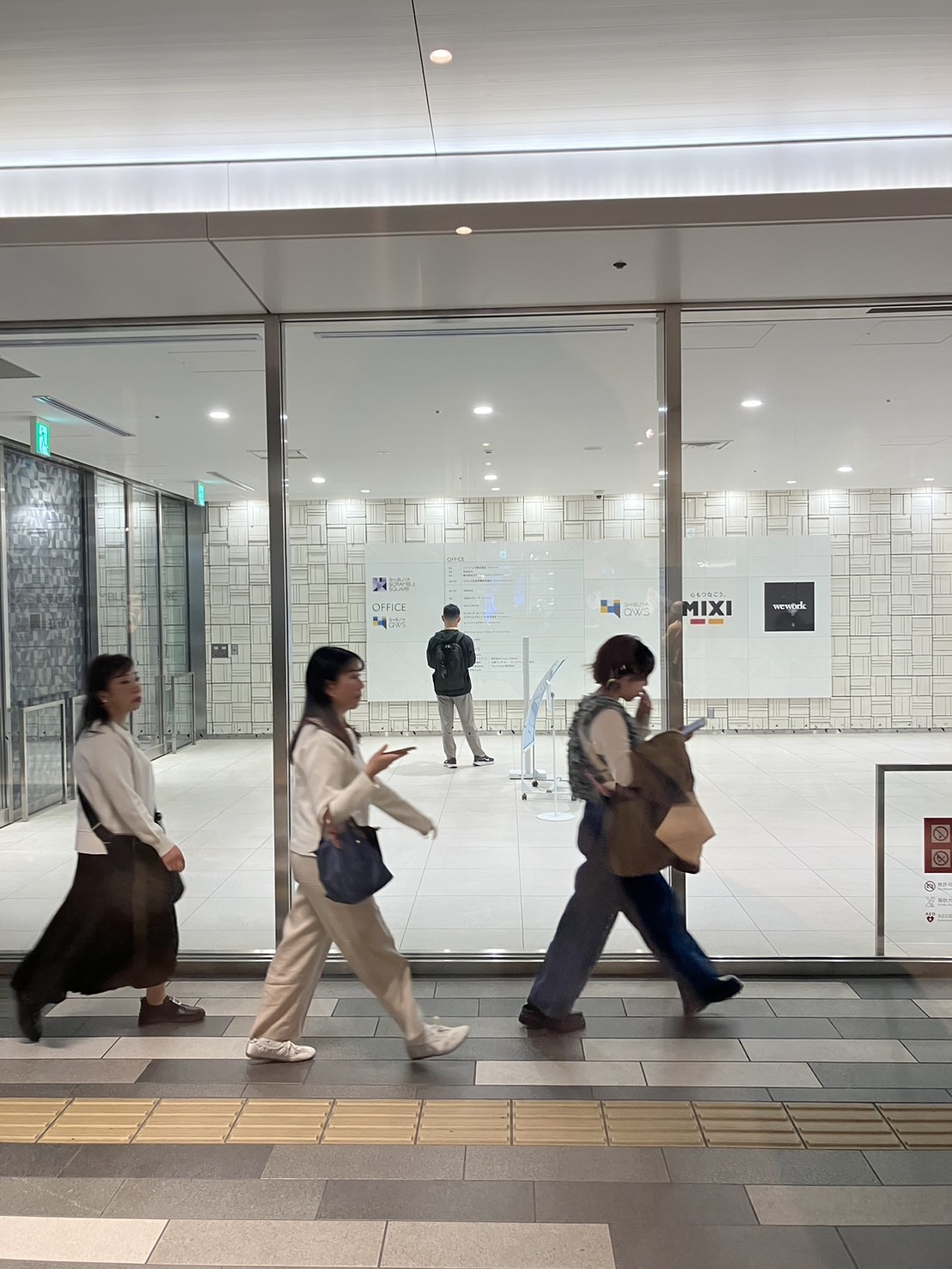
Not an agenda. Not a schedule packed with meetings. Just a question.
Is Japan actually changing?
I had been there before — several times. And every visit left me with the same impression: Tokyo was precise, polite, extraordinarily functional, and somehow still quietly sealed within itself. Not unfriendly. Just self-contained. Complete on its own terms.
This trip felt different.
I can’t pinpoint the exact moment I noticed it. Maybe somewhere between the main conference venue and a side event on the third night. The room was filled with conversations moving naturally across three different languages, and nobody seemed conscious of it. No performance. No deliberate “internationalization.” It simply felt normal.
That was when Singapore came to mind.
Not Singapore as a city, but as a process. The years of deliberate openness. The long decision to become a place where global talent arrives naturally, where international companies see the city as a central stage rather than a distant branch office.
Tokyo is beginning to carry that same energy.
The startup ecosystem I remembered from previous visits was thoughtful and structured, but cautious. This time, at SusHi Tech, I saw something else entirely. Government and private industry moving in real coordination. Traditional sectors experimenting aggressively with AI and XR while leveraging decades of institutional strength. And, perhaps most notably, a willingness to collaborate internationally that I had never truly felt in Japan before.
I introduced BIFC2 to people from Nomura Real Estate, Mori Building, Tokyu, and Mitsubishi Estate.
What surprised me was not that they listened.
It was how quickly the conversation became mutual.
Two countries. Two financial districts. Quietly asking the same questions about what cities are supposed to become next.
What role should urban space play in an AI-native economy?
How do financial hubs remain culturally alive?
What kind of density still creates human connection?
These are not conversations that begin over email.
I came back without conclusions.
But I returned with sharper questions. And with a few doors left open.
Maybe that is enough for now.
2027, with Busan companies standing alongside me.
The channel is open.
Now we decide what flows through it.